What are Concrete Screws: Uses, Types, Installation Best Practices
- #Masonry Screws
- #Concrete Screws
- #Industrial Fasteners
- #Screw Manufacturing
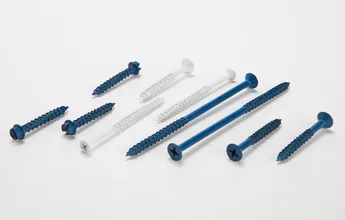
In our straightforward guide, we walk you through the process of working with concrete and masonry fasteners. You will learn how to choose the right screws for cement walls, understand how to screw into concrete properly, and follow the exact steps to drive fasteners securely. With the right method, you can save time, prevent wall damage, and achieve a strong, reliable hold for home and jobsite projects.
What are Concrete Screws?
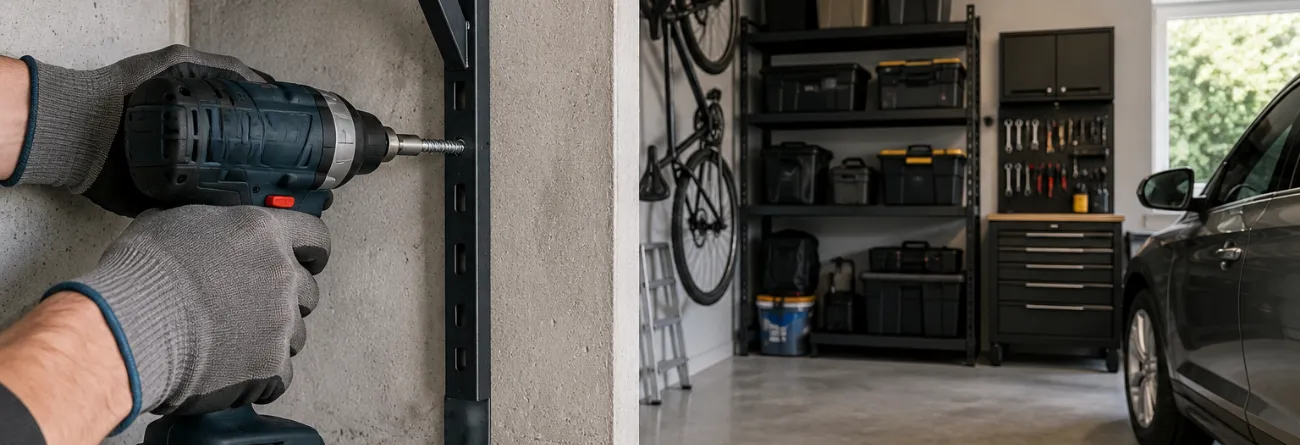
Concrete screws are heavy-duty fasteners specifically engineered to secure objects into hard masonry surfaces like concrete, cement walls, brick, block, and stone. Unlike standard wood or drywall screws, they feature a hardened steel body and sharp, dual-threaded designs capable of cutting directly into the walls of a pre-drilled pilot hole. This creates a powerful mechanical grip within the dense material.
Visually, they resemble standard rugged screws but are distinguished by these deeper, more pronounced masonry threads and reinforced heads. They are typically available in two styles: hex heads, which allow for higher torque during installation, and flat heads, which sit flush against the surface for a cleaner, neater finish.
Common Uses of Concrete Screws
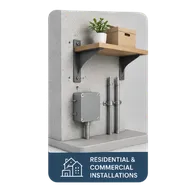
Residential & Commercial Installations
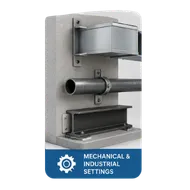
Mechanical & Industrial Settings
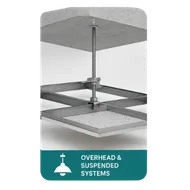
Overhead & Suspended Systems
How Do Concrete Screws Work?
Concrete screws work by cutting their own threads into a pre-drilled hole. As the screw is driven into concrete, brick, or block, its hardened threads bite into the wall of the hole and create a tight mechanical lock. This holding method is called mechanical interlock, and it is what allows the screw to grip the base material without needing a separate plug or sleeve.
So, do concrete screws need anchors? In most cases, no. A concrete screw is already a type of masonry fastening solution. Unlike expansion anchors, it does not need a sleeve to push outward against the hole. Instead, the screw itself forms the grip as its threads carve into the concrete. This also means it creates less expansion pressure, which can be useful when working near concrete edges or placing fasteners close together.
For the screw to hold properly, the pilot hole must be the correct size. If the hole is too large, the threads cannot bite firmly. If it is too small, the screw may jam or break during installation. The hole should also be cleaned before driving the screw, because concrete dust can block the threads and reduce holding strength.
Most Common Types of Concrete Screw Heads
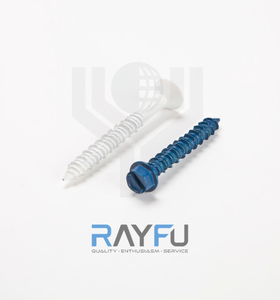
Slotted Hex Washer Head Concrete Screws
The Slotted Hex Washer Head is one of the most common head styles used for concrete screws. It features a hex head integrated with a built-in washer, while some models also include a slotted drive on the top. The integrated washer increases the bearing surface, helping to distribute clamping pressure evenly, reduce the risk of workpiece damage or deformation, and provide secure holding power with excellent resistance to vibration loosening.
This head style is especially suitable for fastening metal brackets, angle irons, timber, machinery bases, and other heavy-duty materials. For applications that demand high load capacity, fast installation, and long-term durability, the Slotted Hex Washer Head is the strongest and most practical choice.
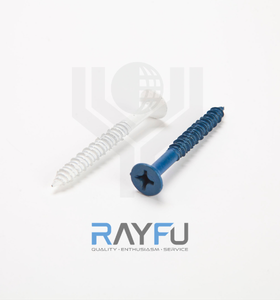
Flat Phillips Head Concrete Screws
The Flat Phillips Head Concrete Screw features a countersunk flat head with a Phillips drive. Its primary advantage is that, once installed, the screw head sits nearly flush with the material surface, creating a clean, smooth appearance while preventing protruding screw heads from interfering with subsequent assembly or finishing work.
This head style is widely used for fastening door and window frames, decorative panels, wooden components, cabinetry, and interior finishing applications. When a countersunk hole has been prepared in advance, Flat Phillips Head concrete screws provide a tight, flush fit while maintaining excellent tensile strength, torque performance, and overall appearance.
| Feature | Slotted Hex Washer Head | Flat Phillips Head |
|---|---|---|
| Head Type | Raised hex head with integrated washer | Countersunk flat head with flush finish |
| Advantages | Larger bearing surface, superior clamping force, excellent load distribution | Flush appearance, secure fastening, enhanced safety and aesthetics |
| Recommended Applications | Heavy-duty anchoring, metal framing, outdoor construction | Interior finishing, door & window frames, cabinetry, woodworking |
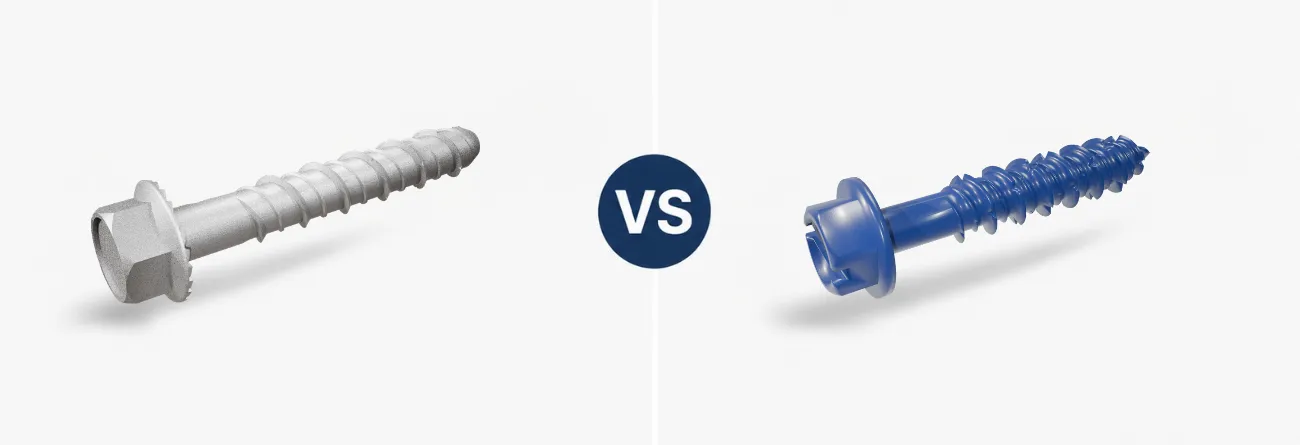
Concrete Anchor vs. Concrete Screw
How to Choose the Right Concrete Screw
Base Material (Substrate)
The first step is identifying the material the screw will anchor into. Most concrete screws are designed for poured concrete, but many also perform well in concrete block (CMU), solid or hollow brick, and natural stone. However, not every substrate behaves the same way under load.
Concrete condition is especially important. In tensile zones, such as ceilings or suspended slabs, concrete is considered “cracked” because small fractures can form over time. These cracks can significantly reduce anchor performance, so only screws specifically approved for cracked concrete should be used in these areas. Substrate strength also affects installation.
High-strength concrete creates more resistance and can wear cutting threads faster, while lower-strength concrete may allow easier installation and limited reuse in temporary applications, although reused anchors are generally not recommended for structural work.
Load Capacity and Embedment Depth
Concrete screws must be selected based on the load they need to support, not only by their visible size. A light fixture, pipe clamp, handrail, or equipment bracket will place different levels of stress on the fastener.
One key factor is embedment depth, which means how far the screw threads bite into the concrete. In general, deeper embedment gives stronger holding power because more of the screw engages with the base material. A useful guideline is to choose a screw length based on fixture thickness plus the required embedment depth.
Coating and Corrosion Resistance
Environmental exposure has a direct impact on fastener lifespan and reliability, making corrosion resistance a critical consideration. Most standard concrete screws feature a specialized blue coating that helps resist the alkaline and corrosive properties of cement. This finish is usually suitable for indoor and dry environments.
For harsher conditions, such as coastal locations, wastewater facilities, kitchens, or installations involving pressure-treated lumber, stainless steel is the better choice. Type 316 stainless steel offers superior resistance against moisture, salt, and chemical corrosion.
Another important concern is hydrogen embrittlement, which can affect high-strength steel fasteners exposed to damp conditions. To reduce this risk, look for screws with ETA (European Technical Assessment) approvals, as these products are specifically tested for long-term performance and resistance to brittle failure.
How to Install Concrete Screws Correctly
Step 1: Check the Drilling Area
Step 2: Drill the Pilot Hole
Step 3: Clean the Hole Thoroughly
Step 4: Drive the Screw Into Place
Find the Best Screws for Concrete Use at Ray Fu
Choosing the right concrete screw starts with matching the fastener to the base material, load, and installation method. At Ray Fu, we support customers with concrete screws designed for cement walls, concrete, and masonry fastening needs. Our concrete screw options include Hi-Low threads with single or double lead designs, size ranges from 3/16" to 1/2" or M4.2 to M12, and lengths from 1/4" to 6" or 10 mm to 200 mm.
Beyond concrete screws, we also supply self-drilling, self-tapping, roofing, drywall, chipboard, decking, collated screws, steel wire, and specialty parts. Share your drawing, size, coating, packaging, or application needs with Ray Fu, and we will help you source a suitable fastening solution. Contact us today to learn more.